
Welcome to the Hearthside Delights Blog
There's something special about gathering around the table. Whether you're preparing a comforting family dinner, baking a homemade dessert, hosting friends for a celebration, or discovering fresh seasonal recipes, every meal has the power to create lasting memories.
At Hearthside Delights, you'll find much more than recipes. Explore delicious meal ideas, baking inspiration, entertaining tips, kitchen guides, holiday traditions, helpful infographics, and practical cooking advice designed to make every occasion a little more memorable. Whether you're an experienced home cook or just beginning your culinary journey, our goal is to inspire confidence in the kitchen and bring family and friends together through the joy of great food.
So pour yourself a cup of coffee, browse our latest articles, and discover fresh ideas that will inspire your next meal, celebration, or gathering. Welcome to the Hearthside—we're glad you're here.
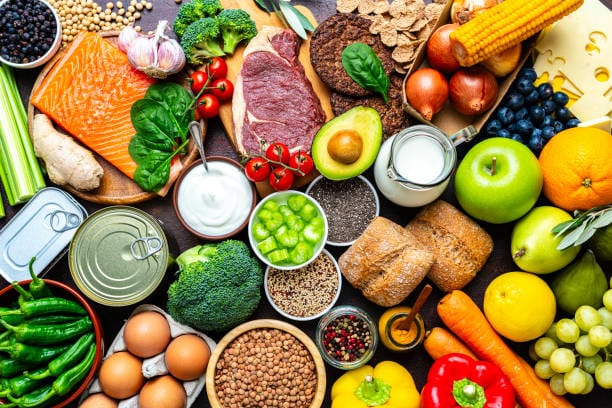

Why Food Brings People Together Like Nothing Else
There’s a reason the invitation “Let’s grab a meal” is almost universal. Food is rarely just about nutrition-it’s a bridge. Across cultures and centuries, sharing food has been one of the simplest, most reliable ways to create connection, ease tension, and build community. Whether it’s a spontaneous cup of coffee, a family holiday feast, or a neighborhood potluck, food creates contexts where people become present with one another. Here’s why food brings people together like nothing else.
A shared sensory experience
Eating is inherently multisensory: taste, aroma, texture, color, and even the sounds around a table. These shared sensory experiences create immediate common ground. When you and another person laugh at how good a dish is, react to an unexpected flavor, or pass a plate around, you’re participating in the same direct, embodied moment. That immediate, shared attention helps break down social barriers faster than small talk ever will.
Rituals and traditions that root relationships
Meals are packed with rituals-cultural, religious, and familial. Lighting a candle for Sabbath dinner, passing the salt at a wedding banquet, or making dumplings together for Lunar New Year: rituals turn food into meaning. They offer structure, continuity, and shared storylines that bind people across generations. Traditions encoded in recipes carry memories and values-so eating together can feel like participating in a larger belonging.
Food as social lubrication
Eating together lowers social defenses. The very act of sitting at a table, sharing space and sustenance, signals safety and hospitality. In many cultures inviting someone to eat is equivalent to inviting them into your circle. Meals create relaxed environments where conversation flows more naturally; people are less guarded when their immediate needs (hunger, comfort) are being met. The casual intimacy of sharing a plate or passing dishes fosters connection.
Memory, nostalgia, and emotion
Certain flavors instantly evoke memories-your grandmother’s stew, a roadside snack from a childhood trip, or the smell of bread from a particular bakery. Food is tightly intertwined with emotion and memory, and sharing those tastes invites people into your personal history. When you prepare a dish from your past for someone else, you’re not just giving them food-you’re giving them a piece of your story. That exchange deepens empathy and mutual understanding.
Evolutionary and biological roots
From an evolutionary perspective, humans ate in groups for safety, hunting efficiency, and child-rearing. Sharing food strengthened alliances and ensured survival. Today, those instincts persist: communal eating encourages cooperation and trust. On a physiological level, communal meals can trigger hormonal responses associated with bonding and pleasure (such as increased dopamine and feelings of well-being). Put simply, our bodies and brains are wired to enjoy and benefit from shared meals.
Food as cultural language and identity
Cuisine tells a story about who we are-our geography, history, and values. Sharing a national dish or a family recipe is a way of communicating identity without words. In multicultural settings, food enables people to experience and respect differences while finding commonality. A shared meal becomes a safe space for cultural exchange: you taste someone else’s world, and they taste yours.
Breaking barriers and sparking conversation
Food levels social hierarchies. At a potluck, everyone contributes equally; at a communal table, strangers exchange plates and stories. Breaking bread has historically been a gesture of peace and trust. Even in modern diplomacy, meals provide contexts for negotiation and relationship building-information flows more freely over food than often in formal meetings. In everyday life, a shared meal with neighbors, colleagues, or classmates can dissolve awkwardness and open the door for deeper connection.
Modern rituals: potlucks, cafés, and street food
Contemporary life has reinvented communal eating in new forms. Potlucks and communal dinners foster shared responsibility and variety. Cafés and food markets create casual meeting spots where people from different walks of life intersect. Street food and food festivals invite communal standing-room conversations and spontaneous sharing. All of these formats reduce the formality of dining and encourage approachable interaction.
Practical ways to use food to bring people together
Host simple, low-pressure gatherings: invite neighbors for a pizza night or a light brunch to lower the barrier for attendance.
Make it participatory: cooking together-making dumplings, rolling sushi, or assembling a salad-creates shared activity and conversation.
Encourage variety: potlucks introduce different dishes and stories; ask guests to bring one thing that means something to them.
Use food as a storytelling prompt: ask guests to share why a recipe matters to them or where they first tasted it.
Prioritize presence over perfection: the point is connection, not a gourmet spread. In fact, casual, imperfect meals often feel the most welcoming.
The rewards: stronger bonds, better well-being
Shared meals create memories and rituals that strengthen relationships over time. Research into family dinners and communal eating suggests links to improved emotional well-being, better communication, and stronger social support networks. The simple habit of eating together regularly-whether with family, friends, or coworkers-cultivates trust and shared identity that carry beyond the dining table.
Conclusion
Food is more than fuel. It’s an engine of human connection-sensory, ritualistic, emotional, and social. When you share food, you are sharing attention, history, and hospitality. The next time you want to connect with someone, consider sharing a meal rather than sending a text: the invitation to eat together is one of the oldest-and most powerful-ways to say, “You matter to me.”

Embrace. Elevate. Excel. Your source of inspiration for family, fitness, food, and lifestyle.