
Welcome to the Hearthside Delights Blog
There's something special about gathering around the table. Whether you're preparing a comforting family dinner, baking a homemade dessert, hosting friends for a celebration, or discovering fresh seasonal recipes, every meal has the power to create lasting memories.
At Hearthside Delights, you'll find much more than recipes. Explore delicious meal ideas, baking inspiration, entertaining tips, kitchen guides, holiday traditions, helpful infographics, and practical cooking advice designed to make every occasion a little more memorable. Whether you're an experienced home cook or just beginning your culinary journey, our goal is to inspire confidence in the kitchen and bring family and friends together through the joy of great food.
So pour yourself a cup of coffee, browse our latest articles, and discover fresh ideas that will inspire your next meal, celebration, or gathering. Welcome to the Hearthside—we're glad you're here.
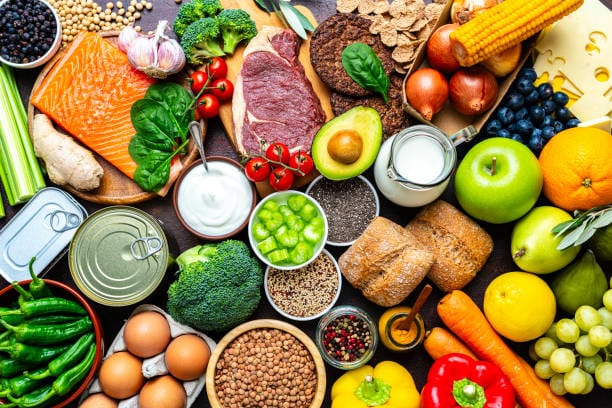

How to Store Fresh Produce to Make it Last Longer
Fresh produce can go from perfect to disappointing in a few days. A soft strawberry, a mealy tomato, or a slimy bag of greens wastes money and makes weeknight cooking harder than it needs to be.
The good news is that fresh produce usually lasts longer with a few simple habits. Different fruits and vegetables need different treatment, so the trick is knowing what belongs on the counter, what needs the fridge, and what wants a cool pantry shelf.
Know the three things that change produce freshness fastest
Why temperature matters more than most people think
Temperature controls how fast produce breathes, ripens, and breaks down. Most home refrigerators should stay at or below 41F, and many fruits and vegetables keep best closer to 34F to 40F.
Still, cold isn't always better. Tomatoes lose flavor in the fridge if they haven't ripened yet, avocados can turn dull and rubbery when chilled too soon, and berries last longer when they go straight into the cold. Research summarized by UC Davis has shown how quickly shelf life drops when produce sits too warm, even by a few degrees.
How moisture can help or hurt fresh produce
Water is helpful in the plant, but not on the surface. Extra moisture speeds up mold, soft spots, and the slimy film nobody wants to find at the bottom of a container.
That means most produce should stay dry until you're ready to eat or cook it. Greens and broccoli like a more humid crisper drawer, while apples and citrus prefer less surface moisture and better airflow. If you want a quick reference, this fruit and vegetable storage chart is a helpful comparison.
Why ethylene gas speeds up ripening and spoilage
Ethylene is a natural gas that some produce gives off as it ripens. Bananas, apples, ripe tomatoes, avocados, pears, and melons can produce quite a bit of it.
Nearby produce may not appreciate that. Leafy greens, broccoli, carrots, and cucumbers are more sensitive, so they yellow, wilt, or soften faster when stored next to heavy ethylene producers. A little separation goes a long way.
The best ways to store fresh produce by type
Countertop fruits that should ripen first
Some produce needs time on the counter before the fridge helps. Bananas, avocados, pears, and mangoes should usually ripen at room temperature, away from direct sun and away from greens or herbs that can fade fast beside them.
Tomatoes also belong on the counter until ripe. Once avocados or pears are ready, move them into the fridge to buy a few more days. Bananas stay out, but keep them apart from other produce if you want everything else to last longer. Lemons and limes can sit out for a few days if you'll use them soon, then move to the fridge for longer storage.
Refrigerator produce that stays crisp longer
Berries, apples, oranges, grapefruits, leafy greens, broccoli, carrots, cabbage, beets, parsnips, and turnips usually do best in the fridge. Keep them dry, and use the crisper drawer when you can.
Berries last longer in a breathable or lightly covered container lined with a dry towel. Greens stay fresher when wrapped loosely in a towel inside a bag or container. Root vegetables hold up well in the fridge, but trim off leafy tops first because they pull moisture from the root. If you like checking produce item by item, Food52 has a useful produce-by-produce storage guide.
Pantry staples that prefer a cool, dark spot
Potatoes, onions, garlic, winter squash, and whole melons usually want a dry, ventilated place away from light. A pantry, cellar, or cabinet away from the stove works better than the fridge for these.
Potatoes should never sit near onions. Both release moisture and gas that make the other spoil faster. Whole melons can stay out until cut, then any leftovers need refrigeration.
Simple prep steps that help produce last longer
Wash at the right time, not too early
Washing too soon adds moisture, and moisture shortens shelf life. For most fruits and vegetables, wait and wash them right before eating, roasting, or slicing.
Bagged greens labeled pre-washed or triple-washed shouldn't be rewashed unless the package says otherwise. Extra rinsing often leaves them wetter, not cleaner.
Dry produce well before putting it away
Damp berries, greens, and herbs spoil faster than dry ones. After rinsing produce for immediate use, dry it well with clean kitchen towels or paper towels.
That same trick helps after a quick sort-through. Many home cooks swear by a paper towel storage tip because it absorbs moisture before it turns into mush.
Remove damaged pieces before they spread spoilage
One bruised peach or moldy strawberry can ruin the rest of the container. Check produce when you unload groceries, then again midweek.
Toss badly damaged pieces, and use slightly soft items first. Store the firmest, driest pieces together so one weak spot doesn't take down the whole batch.
Avoid the most common storage mistakes
Do not crowd ethylene producers and sensitive produce together
Apples beside leafy greens, bananas near herbs, and ripe tomatoes next to cucumbers is a recipe for faster spoilage. Separate high-ethylene produce from delicate vegetables whenever possible.
Keep ripening fruit in its own zone, and your greens will usually last longer.
Do not store everything in the same cold zone
The back of the fridge is colder than the door, and the crisper drawer holds humidity differently than an open shelf. Berries, greens, and broccoli usually do better in the crisper, while citrus and apples can handle a standard shelf.
Try not to shove produce into the coldest corner unless it likes deep chill. Poor placement can hurt texture as much as poor timing.
Do not use water the wrong way
Standing water is bad for most whole produce. Soaking whole berries, grapes, or greens in water during storage invites spoilage fast.
Cut carrots or celery are different. They can sit in water in the fridge for a short time and stay crisp, but whole produce should stay dry unless you're washing it for immediate use.
Final thoughts
Produce stays fresh longer when you match the storage method to the item. Keep it dry, give it the right temperature, and separate fruits and vegetables that don't store well together.
Those habits don't take much time, but they save a surprising amount of food. A better-organized counter, fridge, and pantry usually means better meals all week.

Embrace. Elevate. Excel. Your source of inspiration for family, fitness, food, and lifestyle.